
All Saints Day: A Day for Us All
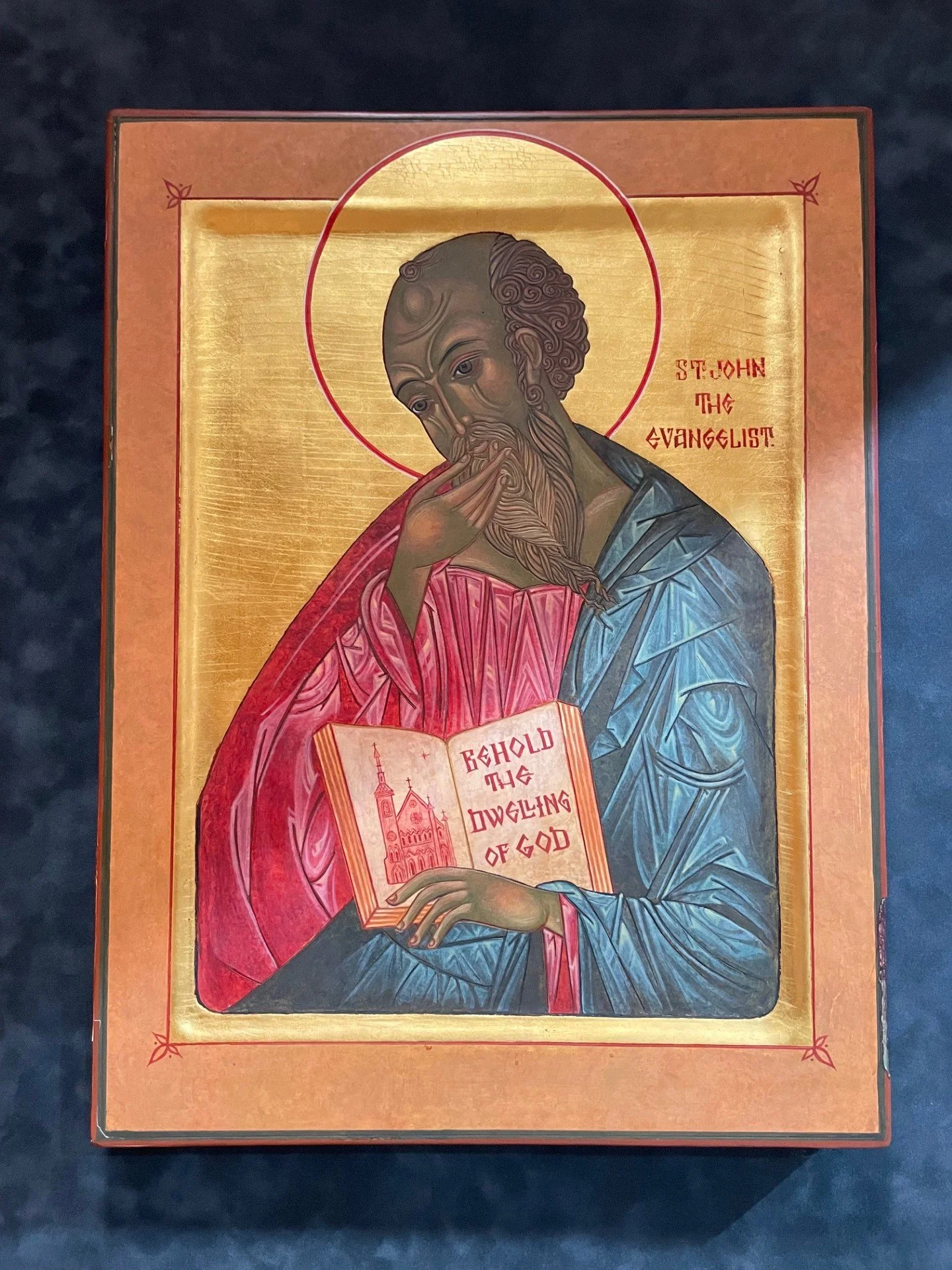
Icon of St. John the Evangelist at the Co-Cathedral
What’s the deal with All Saints Day? Aren’t we supposed to be looking to God, the Creator and not to other humans, for direction and inspiration?
If you’re bothered by these questions, your discomfort may be coming from a place of misunderstanding of the Church’s teaching on saints. In a nutshell, saints are mirror reflections of Christ; they point us to Christ.
All Saints Day is not just about those who have gone before us. It’s also a day for each one of us as we strive to answer our universal call to holiness: “All Christians in any state or walk of life are called to the fullness of Christian life and to the perfection of charity. All are called to holiness” (Catechism of the Catholic Church, 2013).
No two saints recognized by the Church live in the same state or walk of life; they are all unique in their call to holiness. Some are mystics, like St. Faustina and St. Hildegard of Bingen. Even though their visions pointed to God’s truth, they had very different experiences in what they saw and heard. St. Faustina was visited by Jesus and had vivid visions of hell, while St. Hildegard described in detail visions of the Triune God and our relationship with God in unity.
Other saints are called to positions of leadership in this world, such as St. Benedict and St. Alphonsus Ligouri. St. Benedict is known for his Rule written in the early-mid 500s AD, the very Rule which to this day, shapes the lifestyle of many religious communities. Centuries later, in 1732, St. Alphonsus was appointed Bishop of Saint Agatha of the Goths in Italy, where he worked for thirteen years addressing abuses by clergy, reformed the seminary, and sold his belongings to feed the poor during a famine.
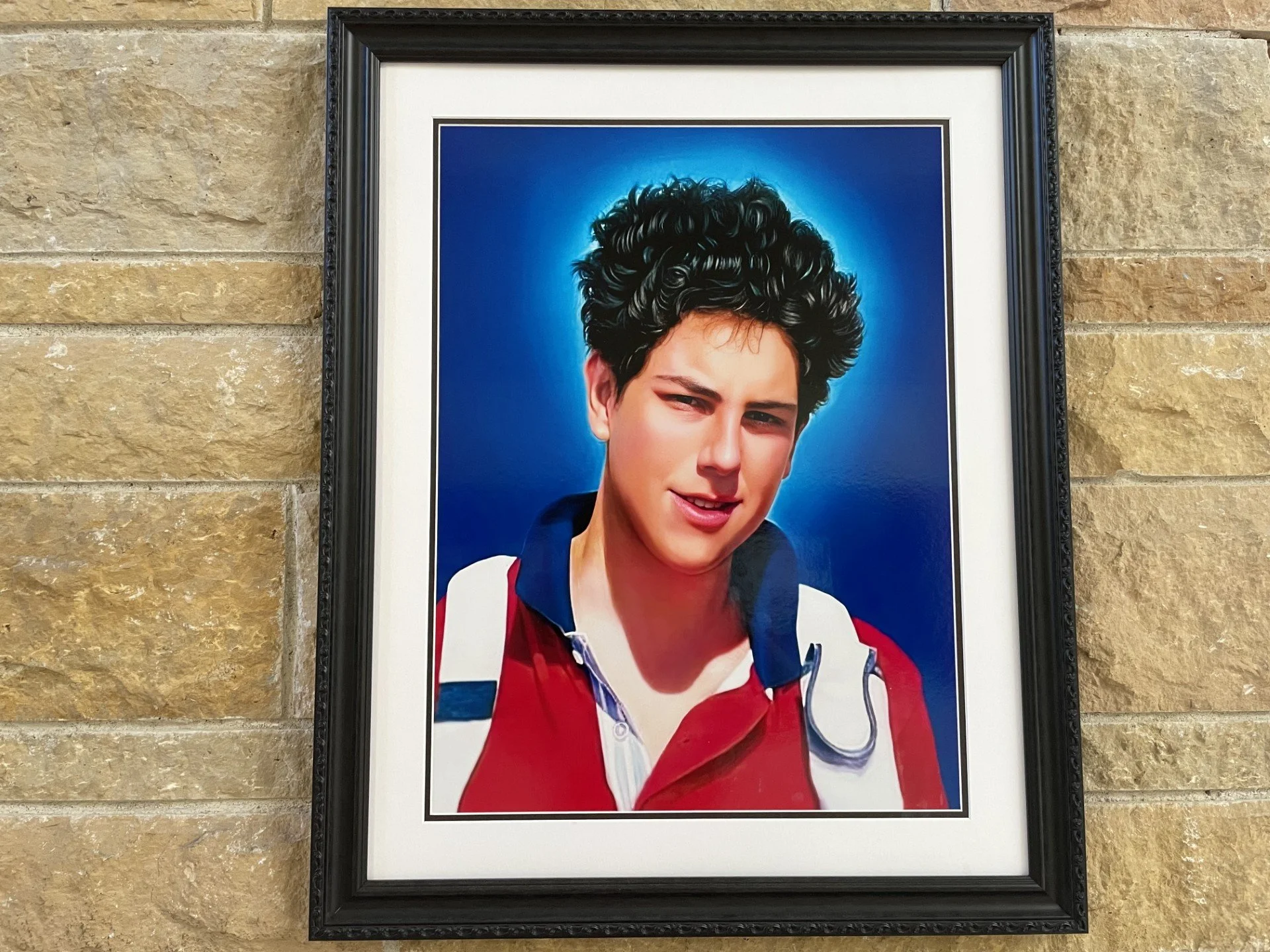
St. Carlo Acutis image at the Co-Cathedral
Still other saints live rather ordinary lives. For example, St. Pier Giorgio Frassati and St. Carlo Acutis, were laypersons canonized in 2025. Both were well liked by their friends. St. Pier Giorgio Frassati found his call in service to the poor and social justice, while St. Carlo Acutis shared his love for the Eucharist with his friends and the world through his online curation of Eucharistic miracles.
Beyond these examples are countless saint stories throughout human history. Yet, the Church only officially recognizes a fraction of the multitudes of saints who fill the halls of heaven. You may be thinking, “I’m no saint. How can I ever be a saint?”
That’s a good starting point to let Christ into your heart. Even if your prayer is simply, “God, put the desire in my heart to strive for holiness,” He will bless and multiply that desire. Thankfully, holiness is not obtained by our own efforts. First and foremost, God is with us: “I can do all things in Him who strengthens me” (Philippians 4:13). We grow in holiness through His grace, prayer and frequent reception of the Sacraments of Reconciliation and the Eucharist.
Secondly, we have the saints of ages past, from whom we can learn and find inspiration. Check out the saint entries on the SJE Reflect blog. Attend an upcoming All Saints Club. Or read about the Saint of the Day on Vatican News.
Thirdly, we have each other. We are the Body of Christ, and God is working through us to bless our lives and the world. “We know that in everything God works for good with those who love Him” (Romans 8:28).
Here are a few considerations to grow in holiness together:
Attend a Community Group: On SJE’s website, there are many groups to join others in prayer, service, reflection, and fellowship.
Start a new Community Group: Convene with a group to read and discuss Scripture or the literary work of a saint. Reading with a group invites opportunities to experience how the Holy Spirit is working in individuals’ lives. Contact the Faith Formation team to get started.
Come to Friday’s All-Parish Eucharistic Adoration Praise & Worship Service: Join other parishioners for prayer and music in the church. This event is hosted monthly by the St. John’s Young Professionals, and all are welcome.
In my personal experience, I find myself enriched by a healthy combination of one-on-one time with God and participation in groups centered on fully living our Catholic faith. For example, I find rest and peace in silent prayer, and I am inspired by others’ experiences shared in my Bible Study and All Saints Club. Both avenues – alone time with God and gathering with others - are critical to hearing the voice of God and to growing in holiness.
The bottom line is to strive for holiness because “spiritual progress tends toward ever more intimate union with Christ” (CCC, 2014).